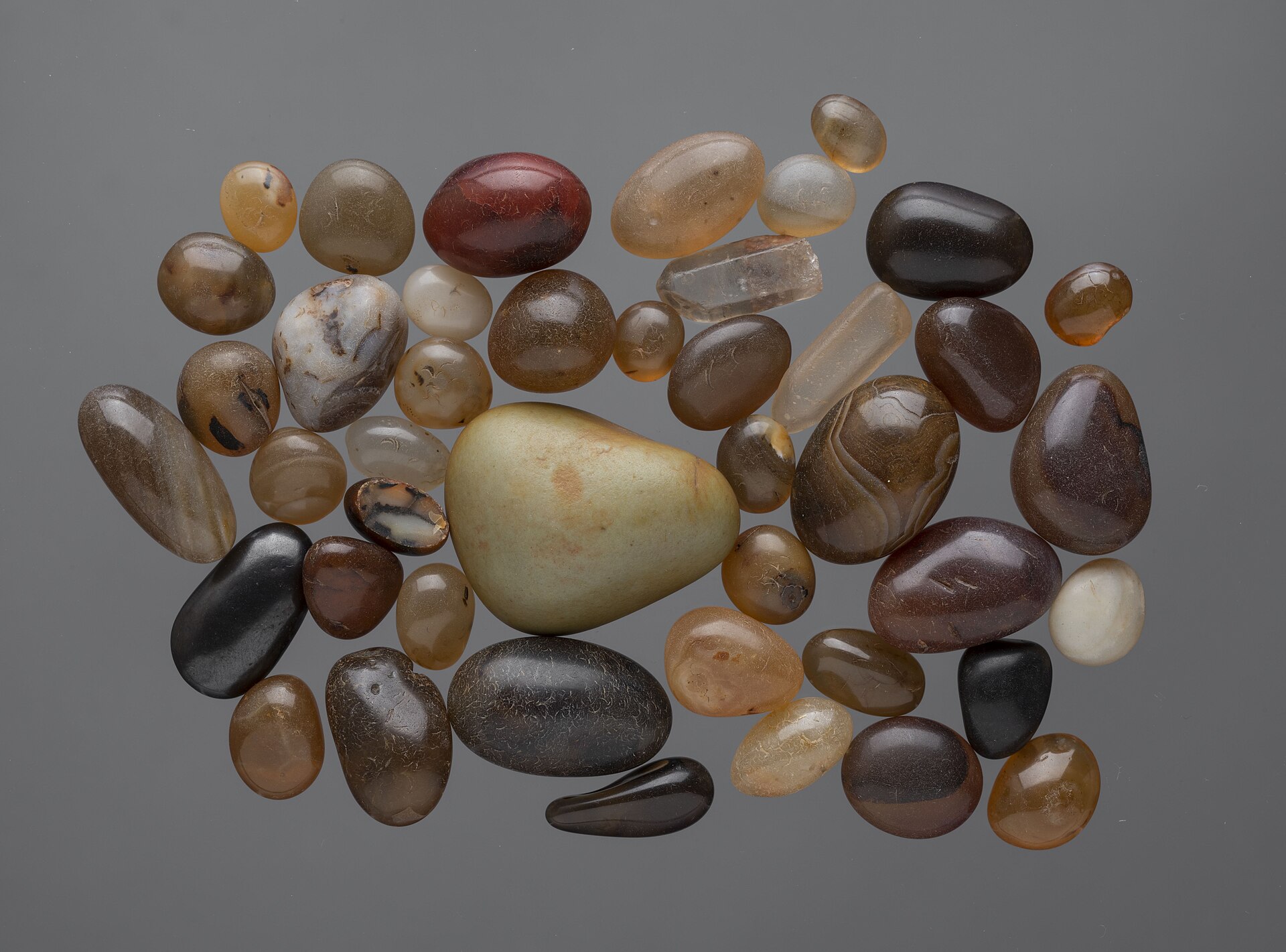
Water is a popular way to cleanse crystals, but it is not safe for all of them. Some dissolve, some crack, and a few release genuinely toxic material. This is a quick reference to keep you (and your stones) safe.
Generally water-safe
The quartz family (clear quartz, amethyst, citrine, rose quartz, smoky quartz), plus agate, jasper and tiger eye. These hard, stable stones tolerate a brief rinse well.
Never put in water: dissolves or damages
Selenite and satin spar (gypsum) dissolve, halite is literally salt, and soft stones like calcite and fluorite degrade over time.
Never put in water: potentially toxic
Malachite, azurite malachite, pyrite, and any stone containing copper, lead or sulphides can release harmful material into water.
Never make a drinkable elixir by placing these in water.
The safe rule of thumb
If you are unsure what a stone is or whether it is safe, do not use the water method. Moonlight, sound or selenite cleansing are safe for every crystal and avoid the question entirely.
For any elixir you intend to drink, use the "indirect" method, keeping the stone outside the glass, and stick to known food-safe quartz. When in doubt, leave the stone out of the water.