Meaning & symbolism
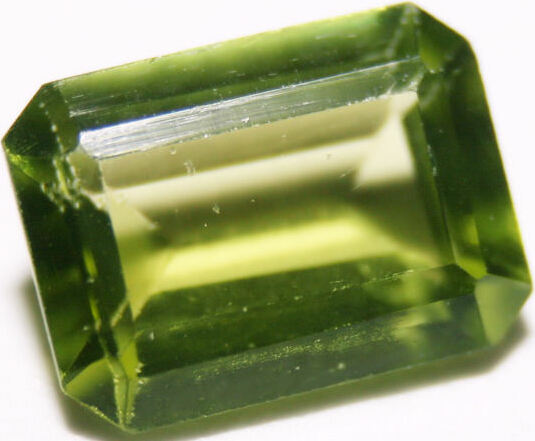
Peridot is a bright olive-green gemstone, the August birthstone, formed deep in the earth and even, remarkably, in meteorites. Its sunny, golden-green colour has earned it the nickname the gem of the sun, and a long reputation as a stone of light, renewal and warm-hearted abundance.
Traditions link peridot to the heart and solar-plexus chakras and to a lifting, optimistic energy. It is reached for to release old burdens, invite fresh growth and encourage a feeling of lightness and good fortune. Associated with prosperity and the easing of heavier moods, peridot has a cheerful, restorative feeling, a brightening companion for anyone ready to let go and welcome something new.
Healing properties
Lightness & renewal
- Associated with the heart and solar-plexus chakras
- Reached for to release old burdens
- Inviting fresh growth and new beginnings
Warmth & abundance
- Nicknamed the gem of the sun
- Encouraging optimism and good fortune
- Easing heavier moods with a lifting feeling
How to use it
Carry a tumbled stone or wear peridot when you want to feel lighter and more optimistic, especially during a fresh start or a season of change.
Hold a piece during reflection to focus on releasing what no longer serves you, or keep one on a desk or windowsill as a sunny reminder of growth and abundance.
Cleansing & care
Peridot is a 6.5 to 7 on the Mohs scale, a little softer than quartz, so a quick rinse is fine but avoid salt water, scrubbing and long soaks. Recharge it with moonlight or a selenite plate. It is generally colour-stable, though as with most stones, prolonged harsh sunlight is best avoided.
Questions & answers
Peridot is traditionally reached for to release old burdens and invite fresh growth, optimism and abundance. People keep it near for a lighter, sunnier outlook.