Meaning & symbolism
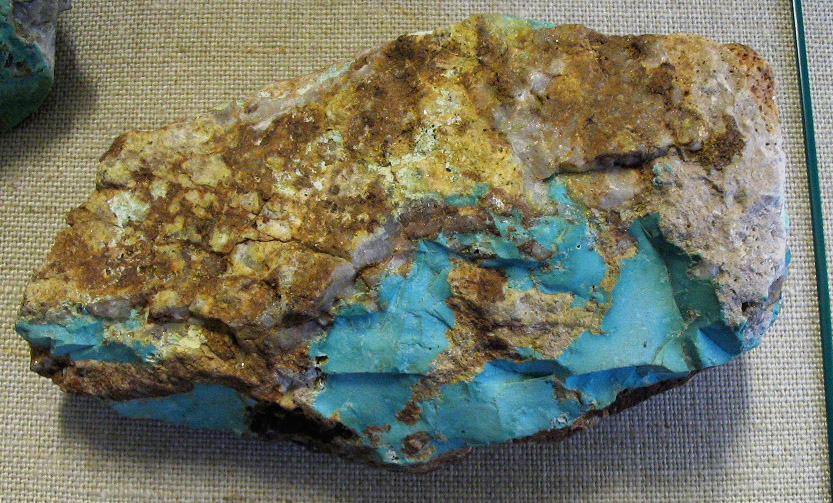
Turquoise is a sky-to-teal blue stone treasured for thousands of years across the Americas, Egypt and Persia as a stone of protection, healing and good fortune. The traditional December birthstone, its distinctive colour has adorned amulets, jewellery and sacred objects in countless cultures.
Traditions link turquoise to the throat chakra and to honest, heartfelt communication, as well as to protection and wholeness. It is reached for to encourage calm self-expression, to shield the wearer and to bring a grounding sense of wellbeing and balance. Warm yet steadying, turquoise has long been a traveller's talisman and a stone of friendship, a protective, communicative companion for everyday life.
Healing properties
Protection & wellbeing
- A traveller's talisman for thousands of years
- Reached for to shield and ground the wearer
- Bringing a sense of wholeness and balance
Communication & friendship
- Associated with the throat chakra
- Encouraging honest, heartfelt self-expression
- Long valued as a stone of friendship
How to use it
Carry a tumbled stone or wear turquoise as a protective talisman, especially when travelling or facing an uncertain day.
Hold a piece at the throat before honest conversations to encourage calm, heartfelt self-expression, or keep one nearby as a grounding token of wellbeing and friendship.
Cleansing & care
Turquoise is relatively soft and porous at 5 to 6 on the Mohs scale, so keep it away from water, as it can absorb liquid, discolour or be damaged by soaking, and it reacts to oils and chemicals. Cleanse it gently with smoke, sound or moonlight, wipe it with a soft dry cloth, and keep it out of prolonged direct sunlight to protect its colour.
Questions & answers
Turquoise is traditionally a stone of protection, communication and wellbeing. People carry it as a talisman and reach for it to support calm, honest self-expression and a grounded sense of balance.