Meaning & symbolism
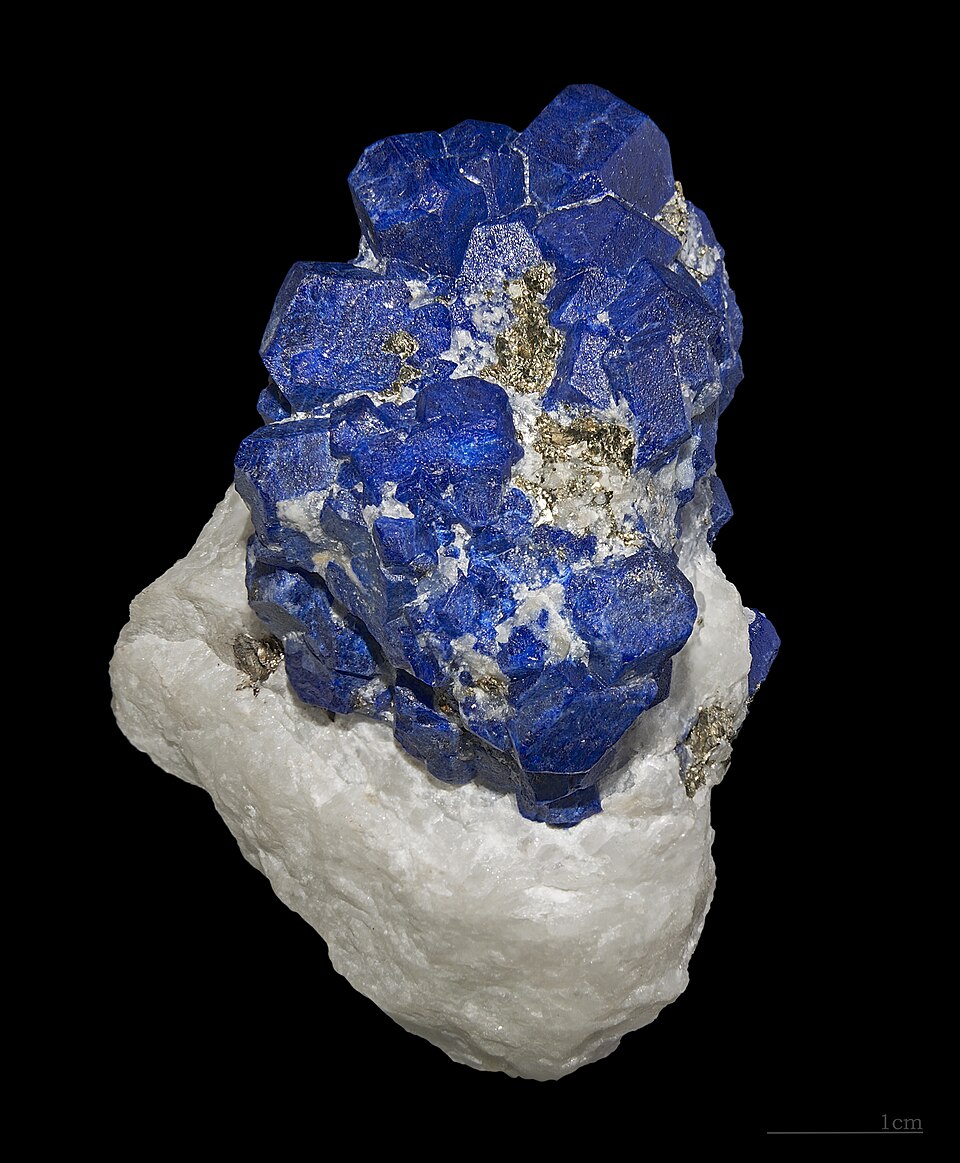
Few stones carry as much history as lapis lazuli. Prized by the Egyptians, ground into the ultramarine of Renaissance paintings and set into the burial mask of Tutankhamun, its deep celestial blue has signalled royalty and the divine for over six thousand years.
Traditionally, lapis is the stone of truth and inner wisdom. It is reached for to encourage honest self-expression, clear thinking and a sense of connection to something larger than the everyday. Its golden flecks of pyrite are said to be like stars in a night sky, a reminder to look up and inward at once.
Associated with the throat and third-eye chakras, lapis is a favourite of writers, students and anyone wanting to speak and think with more clarity.
Healing properties
Truth & expression
- Associated with the throat chakra
- Encouraging honest, clear communication
- Reached for before speaking or writing
Wisdom & intuition
- Linked with the third-eye chakra
- Supporting reflection and inner insight
- A traditional stone of learning and study
How to use it
Keep lapis lazuli on a desk or writing space to encourage clear, honest expression, or hold it during meditation to settle the mind and open intuition.
Many people wear it as a pendant near the throat, the traditional seat of communication. Before a difficult conversation, hold the stone for a moment and set the intention to speak your truth calmly.
Cleansing & care
Lapis is relatively soft (5–5.5 on the Mohs scale) and porous, so treat it gently. Wipe it with a soft, dry cloth and avoid water, salt and harsh sunlight, all of which can dull its colour.
Cleanse and charge it with sound, moonlight or a selenite slab rather than water.
Questions & answers
Lapis lazuli is traditionally the stone of truth and wisdom. It is reached for to encourage honest self-expression, clear thinking and a calm sense of inner insight, which is why it is popular with writers and students.