Meaning & symbolism
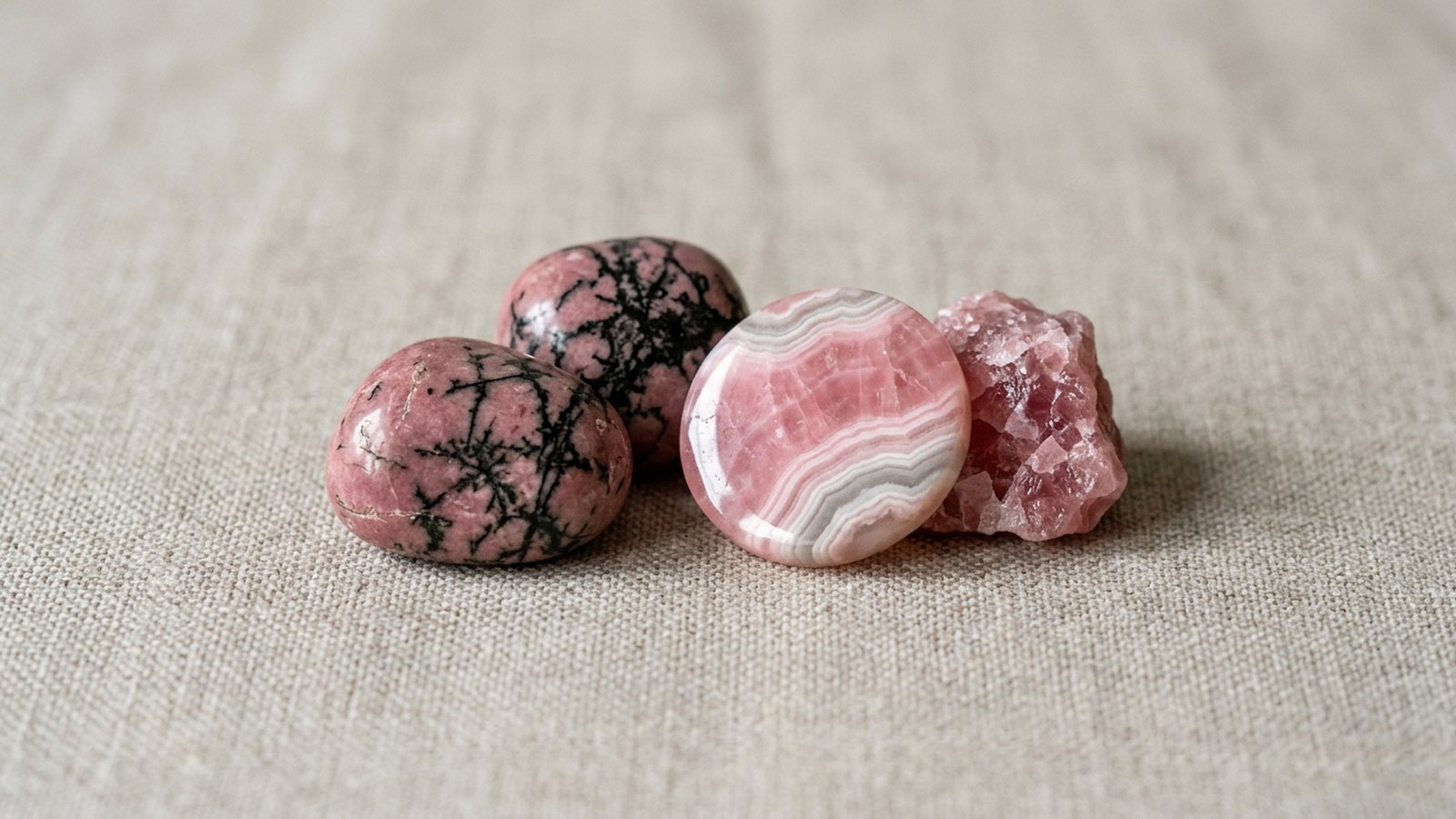
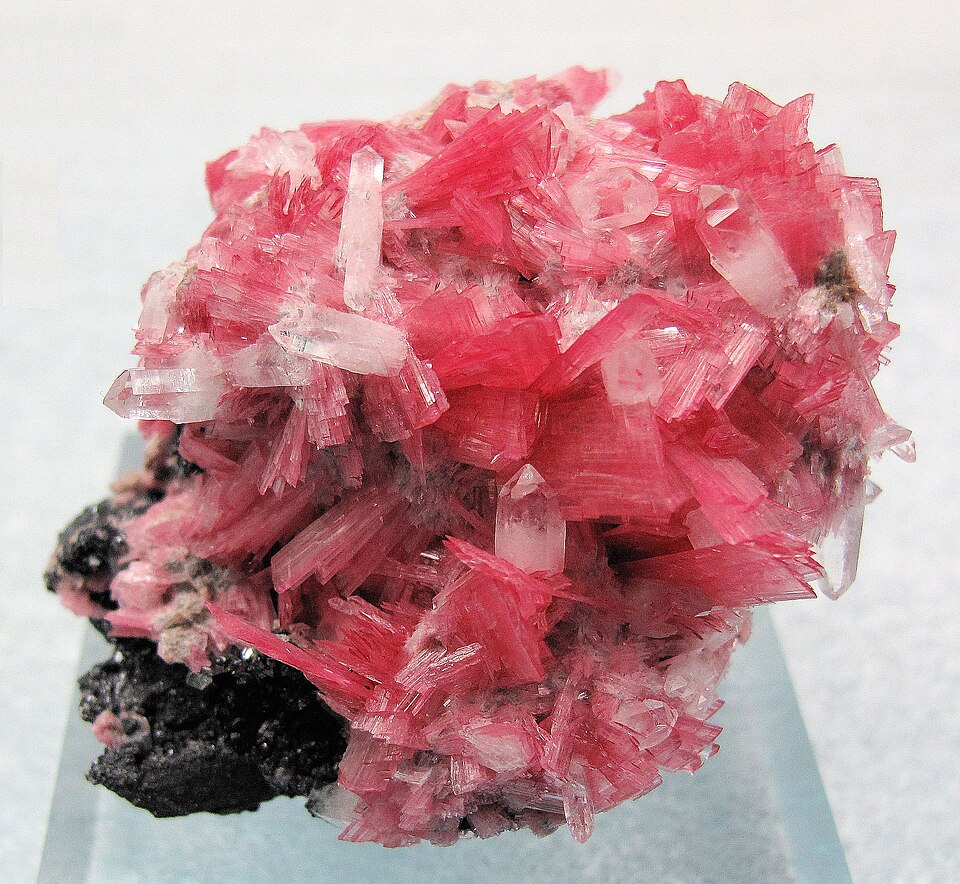
Rhodonite is a rosy-pink manganese silicate, often marbled with veins of black, and it has long been treasured as a stone of the compassionate heart. Its name comes from the Greek word for rose, and its energy is reached for in just that spirit: warm, steadying and quietly healing.
Traditions associate rhodonite with emotional balance and the work of mending: forgiveness, reconciliation and the patient repair that follows hurt. Linked to the heart chakra, it is said to help you respond from compassion rather than reactivity. Where rose quartz is soft and tender, rhodonite feels a little more grounded and resilient, a supportive companion for healing old wounds and steadying the heart.
Healing properties
Emotional healing
- Associated with the heart chakra
- Reached for during forgiveness and reconciliation
- Supporting the patient repair of old hurts
Balance & compassion
- Encouraging a calm, compassionate response
- A grounded, resilient counterpart to rose quartz
- Steadying the heart through difficult feelings
How to use it
Hold a piece over your heart during quiet reflection when you are working through a difficult feeling, letting your breath slow as you sit with it.
Carry a tumbled stone on days that call for patience and forgiveness, or keep one nearby during conversations that ask for an open, compassionate response rather than a reactive one.
Cleansing & care
Rhodonite is a 5.5 to 6.5 on the Mohs scale, softer than quartz, so a quick rinse is fine but avoid salt water, scrubbing and prolonged soaking. Recharge it with moonlight, smoke, sound or a selenite plate. Keep it out of long, harsh sunlight, which can dull softer stones over time.
Questions & answers
Rhodonite is traditionally a stone of emotional healing and compassion. People reach for it during forgiveness, reconciliation and the patient work of mending old hurts.